Welcome to our October newsletter! Estimated read time: 3 mins
Friends and colleagues,
As we walked the streets, took the subway, bumped into people everywhere—we couldn't help thinking that Climate Week NYC has evolved into “Climate and [fill in the blank] Week NYC.” What this proves is that the case for clean energy is broader and stronger than ever. The technologies and business case are starting to stand on their own. It's time for markets to do their job.
One quote I remember clearly: “If you are a coalition made up of people who have the same interests, same worldview, same strategic goals, you're all doing it for the same reason. That's not a coalition—that's a choir.” That week in September felt like we somehow slipped into the next stage of this transition. We're building coalitions, not choirs. Making a difference, not waiting. Doing, not talking.
Constructive convened and joined working groups focussing on topics that ranged from cultivating the workforce for tomorrow’s nuclear fleet, to scaling distributed energy from megawatts to gigawatts, to building the necessary bridges between diverse actors who each have a major stake in the energy and industrial transition. You can read our takeaways from the week here.
Onward,
Susan Kish, CEO
PS We've got a new look here and on the website to better reflect who we are as we've grown over the last year. What do you think?
DERVOS is in 2 weeks
DERVOS is coming on November 5th with the bold theme “Everything is DERs”. The premise: that distributed energy is no longer a fringe issue—it’s become central to how utilities, developers, and offtakers address the many challenges facing the US grid.
Head to the DERTF substack for the latest on the program and speakers, and to get your tickets!
On the 4th, we will be hosting another invite-only Leadership Day which will focus on how to deploy distributed energy faster, from small to utility scale systems, and how DERs can help get data center development right for communities and ratepayers.
Share your insights on the state of DERs and pathways forward in the second annual community survey! The responses will help shape an industry report that we will be writing after DERVOS.
Registration is now open for ASME CATALYZE
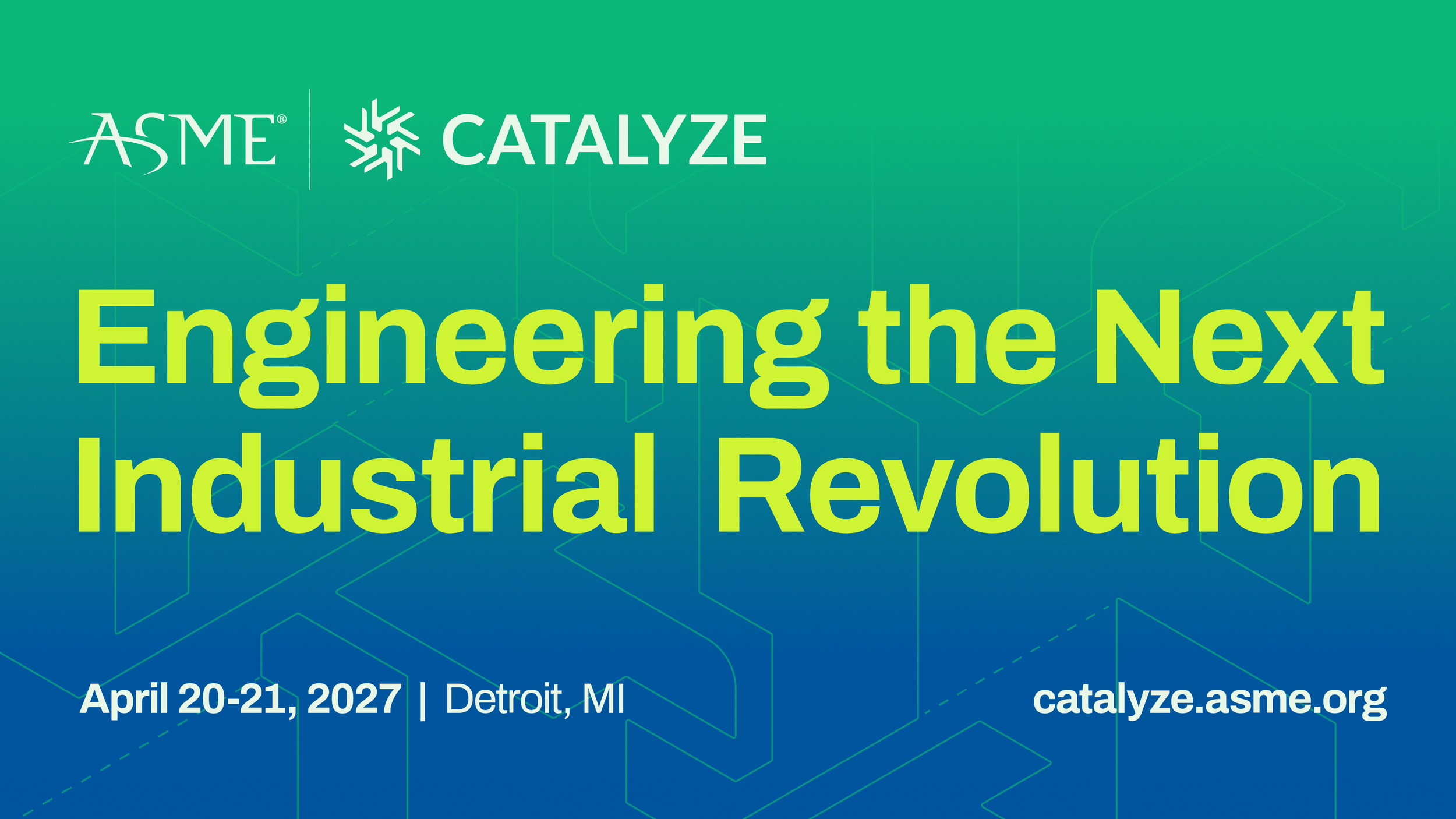
Early bird tickets are now available for ASME CATALYZE in April 2027. Held in Detroit, MI, this inaugural summit will explore the future of energy, industry, manufacturing, and the engineering workforce.
Constructive is working with ASME to deliver a candid and interactive program that builds a more connected ecosystem, explores real-world questions and tradeoffs, and unlocks effective action toward decarbonization.
Get your early bird tickets here, and if you are interested in sponsoring CATALYZE, reach out to David Adshead, our Director of Strategic Partnerships, at david@constructive.org.
Join the Mountain West Geothermal Consortium
The Consortium is hiring a Senior Advisor to lead the Grid & Offtake workstream. This leader will be responsible for building durable pathways for geothermal procurement, integrated resource plan (IRP) inclusion, and interconnection access across the Mountain West.
Please share this posting with anyone who comes to mind. We believe people who've worked in public utility commissions (PUCs), state energy offices, utility procurement, or clean-firm offtake could be a good fit
Climate Week NYC Digest
It was an incredibly busy Climate Week where we helped deliver events with Mission Possible Partnership, ASME, and Currence, as well as co-hosting an Energy After Fire dinner and happy hour with the Mountain West Geothermal Consortium.
Read our recap and key takeaways here.
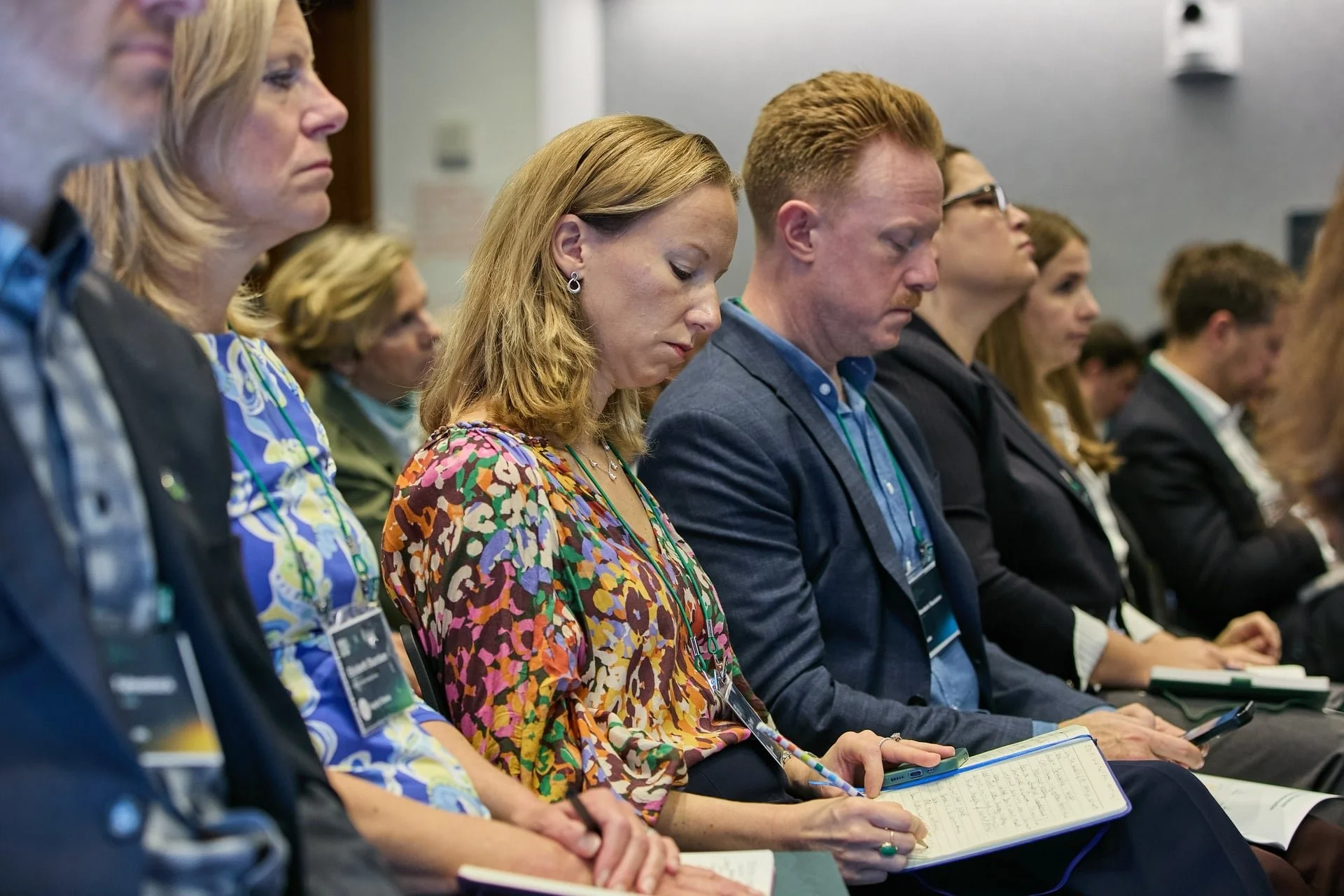

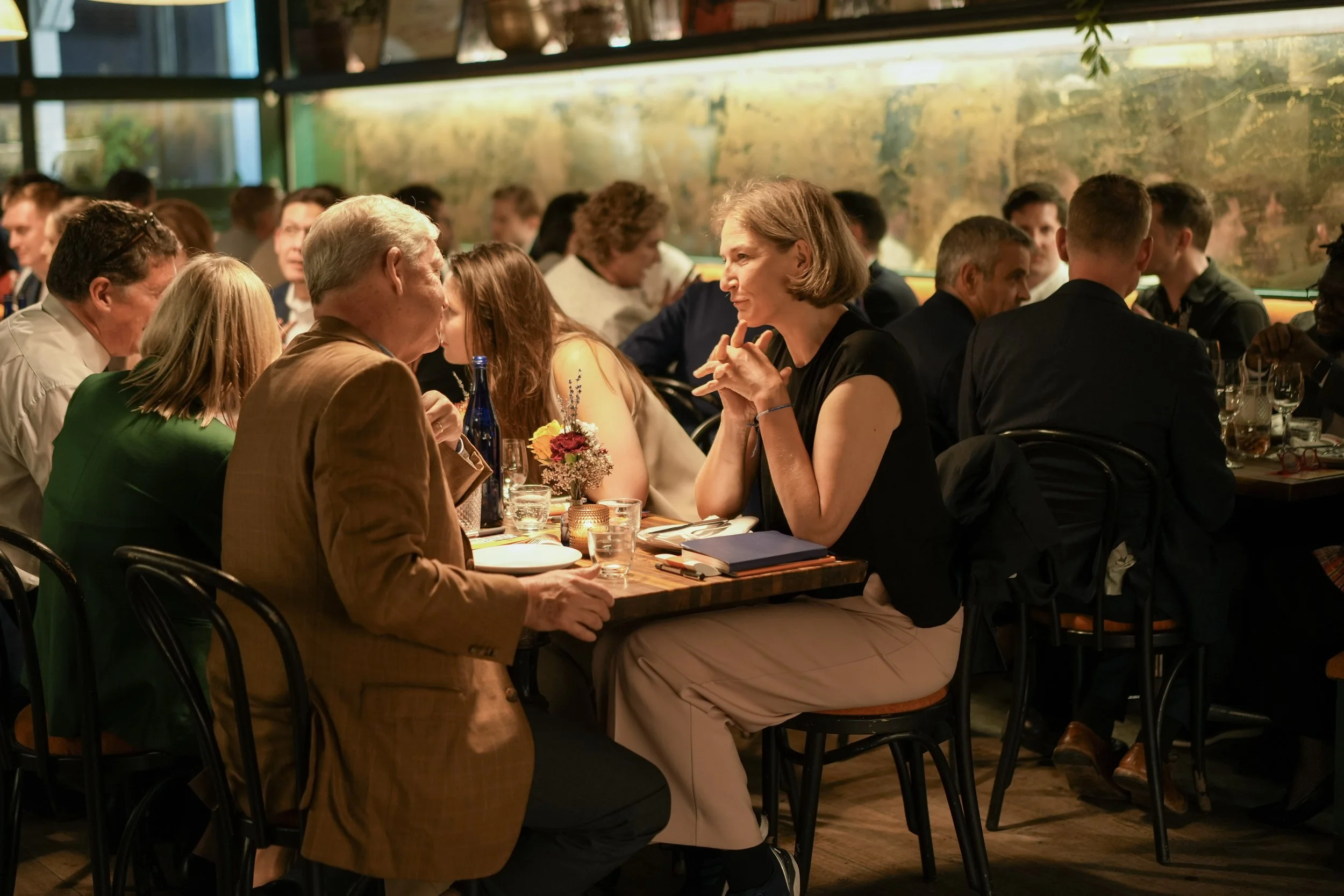
Our Senior Fellow Hadia Sheerazi just spoke at the Wrise Leadership Forum on a panel called Building Buy-In: The Power of Partnerships, Workforce Pipelines & Community Impact. She shared case studies from offshore wind, green hydrogen, green ammonia and biogas projects. Two lessons stood out:
How a project is deployed matters as much as the technology. In one small town, hydrogen fuel cell buses gave people transit where there had been none, provided backup power in emergencies, and created jobs as the local coal plant closed. Residents welcomed them. In another town, a plan to blend hydrogen into gas pipelines came with no clear answers on safety or cost. It faced heavy resistance and was eventually cancelled.
Projects need to move at the speed of trust. Community engagement runs on a different clock from financing and construction. It has to be built into those timelines from the start as standard practice, not added on as an extra.

Mike O’Connor from the Mountain West Geothermal Consortium will be at RE+ in Las Vegas next month (Nov 17-18) — let him know if you are going to be there and want to connect: mike@mountainwestgeo.org.

Curious what the Bipartisan American Affordability and Jobs Act (BAAJA) means for geothermal? CPE’s Mitchell Smith, the Grid Lead for the Mountain West Geothermal Consortium, wrote a great analysis of how the bill would close most of the gap between permitting times for oil & gas versus geothermal.

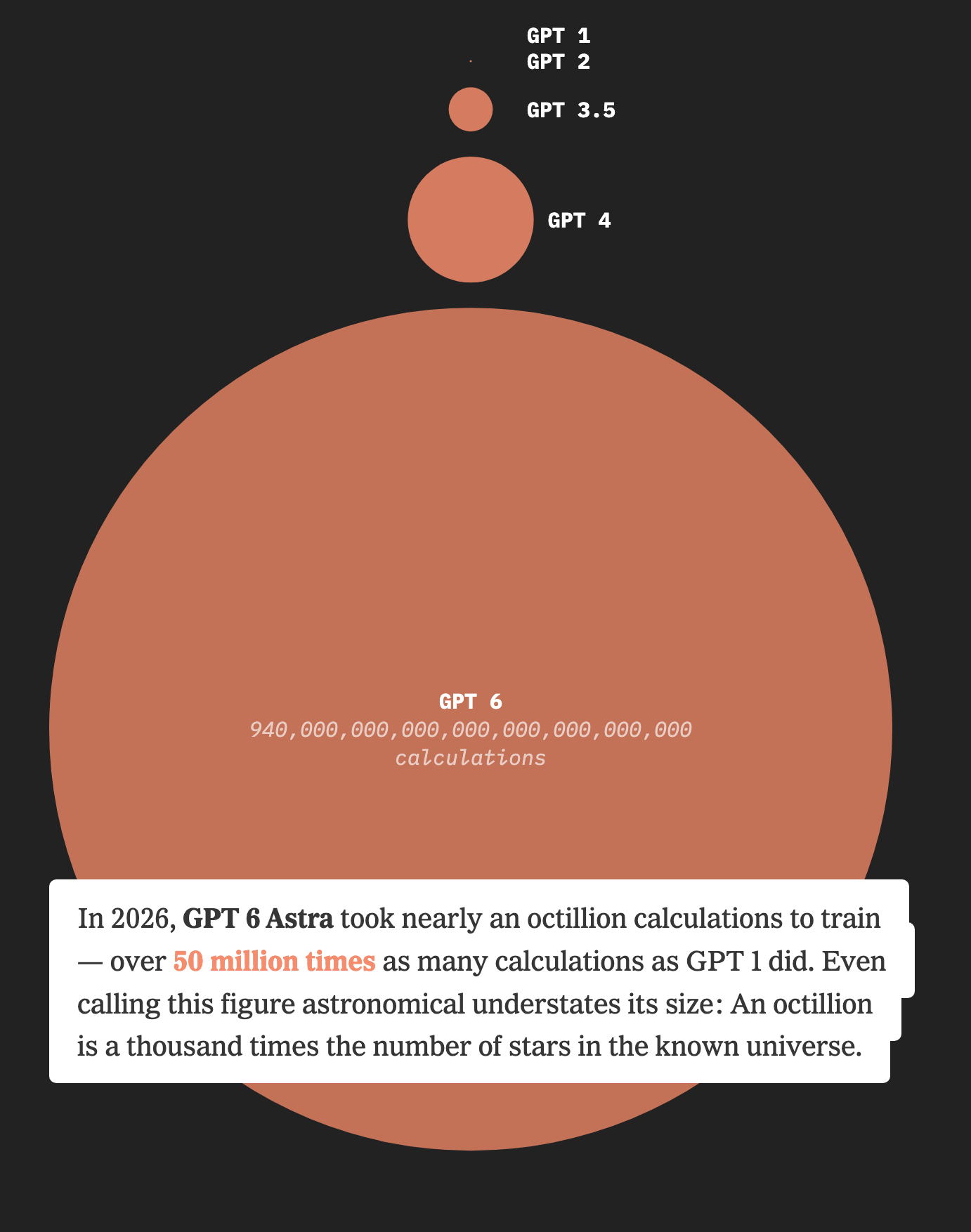
This NYT data story makes the “mind-boggling” amount of math behind AI tangible, and shows why its energy demand keeps climbing. Chips are getting more efficient, but not fast enough: the power needed to train the largest models has doubled every year. Energy experts project that by 2030, training the largest models may draw electricity at a rate similar to New York City today.
Rosie went Inside the frenzied heart of the $11 trillion AI buildout 😵💫 and learned the word “ushirometasa” courtesy of Benjy Hansen-Bundy at CTVC/Currence
Krysta read about how to build a more secure, defensible grid with electrotech—a new NYT essay from our partners Harry Krejsa and Phoebe Benich at CMIST
Lennart listened to UK Energy Secretary Miatta Fahnbulleh discussing the push for affordable secure power and the UK’s role in global climate action
Susan is reading Lessons from a Lost Republic, by Michelle Berenfeld, who is more concerned about what we can learn from the rise of the Roman Empire than what we can learn from its fall
Jake is reading From Russia With Love by Ian Fleming—one of the best-loved James Bond novels