Climate Week NYC recap

Photo courtesy of the Mission Possible Partnership and Industrial Transition Accelerator Team
This year’s Climate Week NYC felt like the energy transition moving into its next stage. The conversations were less about making the case and more about forging effective partnerships and getting things built.
Constructive spent an intense week supporting events with Mission Possible Partnership, ASME and Currence, as well as co-hosting an Energy After Fire dinner and a happy hour with the Mountain West Geothermal Consortium. Across these convenings we drove forward efforts to:
scale up clean industry
build the nuclear workforce of the future
turn distributed energy into a gigawatt-scale grid resource
shape the narrative and coalition that electrotech needs to scale
Read our takeaways from the week below.
Build Clean Now Industry Acceleration Summit
The pace of investment in clean industry has more than doubled in a year per Mission Possible Partnership's Global Project Tracker. But we need to move even faster—which is what the Industry Acceleration Summit, led by MPP and the Industrial Transition Accelerator, set out to achieve.
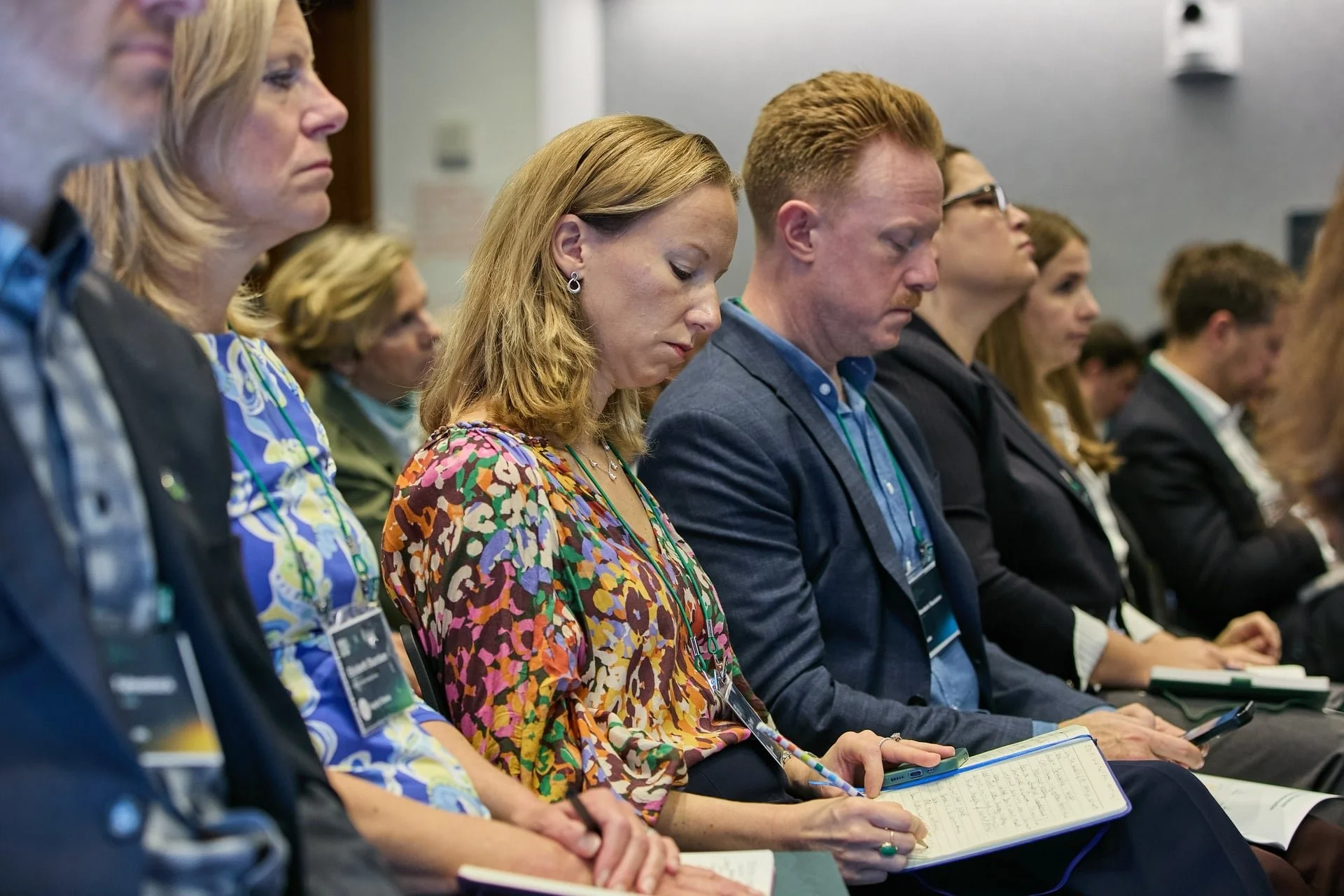
The summit assembled over 100 senior leaders from government, development banks, finance, and industry to explore what is working—and how to replicate it at speed and scale —across six key levers, each the subject of a breakout session:
Markets: Designing the dependable market demand needed to attract project investment
Energy: Ensuring reliable access to cheap and abundant clean energy
Supply chains: Building the coordinated, resilient supply chains on which clean industry depends
Communities: Creating the shared value and political durability that will enable clean industry to thrive
Trade: Creating the connectivity needed for clean commodities to move across borders
Finance: Unlocking the catalytic finance needed to move clean industry projects forward
Bookending the breakout sessions, we heard keynotes from Simon Stiell (UNFCCC), Jamie Fergusson (World Bank), Mary Schapiro (GFANZ), and David Blood (Generation Investment Management) who underlined the urgent need to invest in clean industry from a climate, resilience, and strategic perspective.
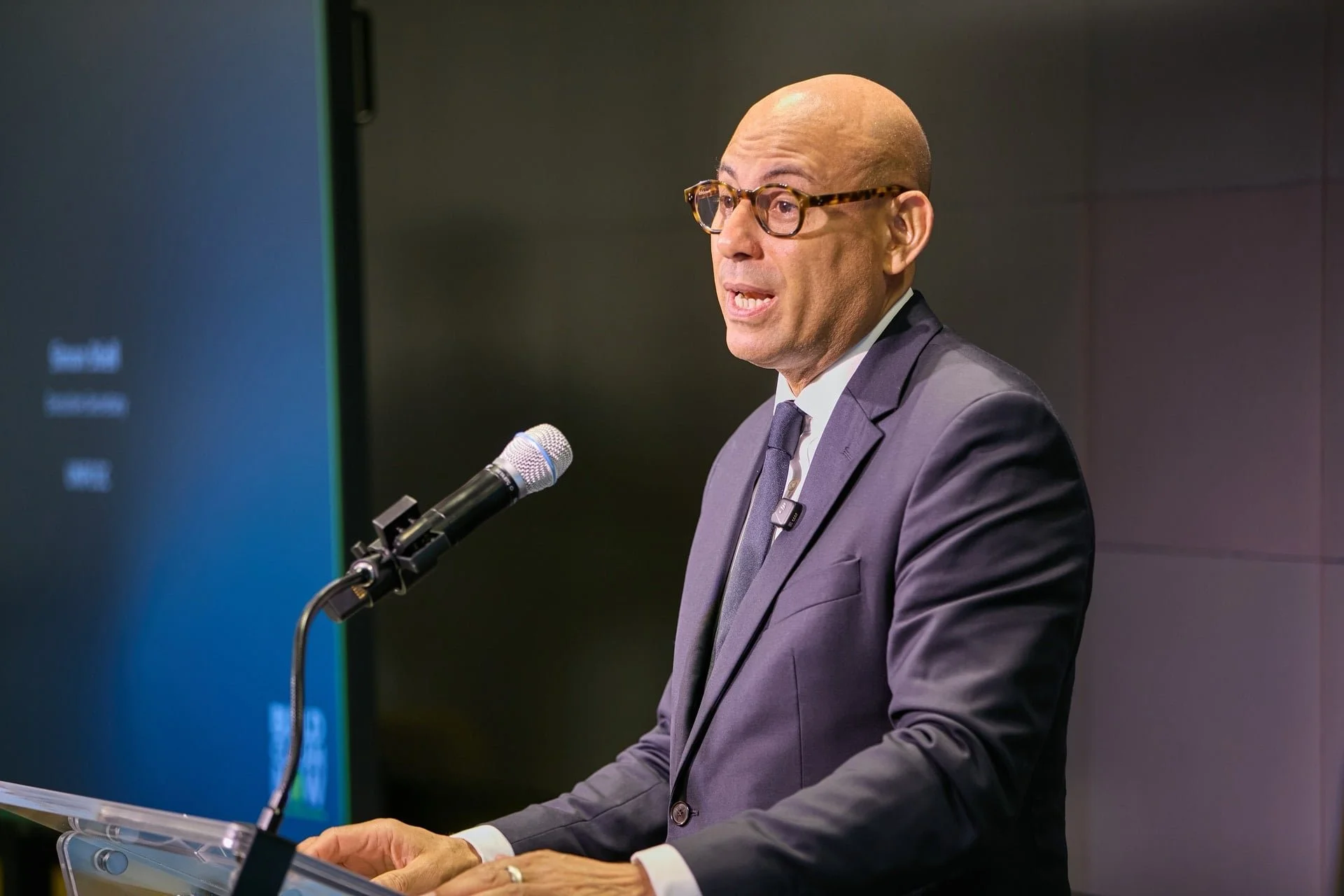
Simon Stiell, Executive Secretary of the United Nations Framework Convention on Climate Change, gives remarks
Road to Catalyze nuclear workforce roundtable with ASME
The nuclear sector urgently needs to attract and retain more skilled workers in order to scale. We led a roundtable with ASME on how to build the workforce with senior leaders from across the nuclear ecosystem as part of our Road to Catalyze program, a series of topical, execution-focused convenings building up to ASME CATALYZE 2027.
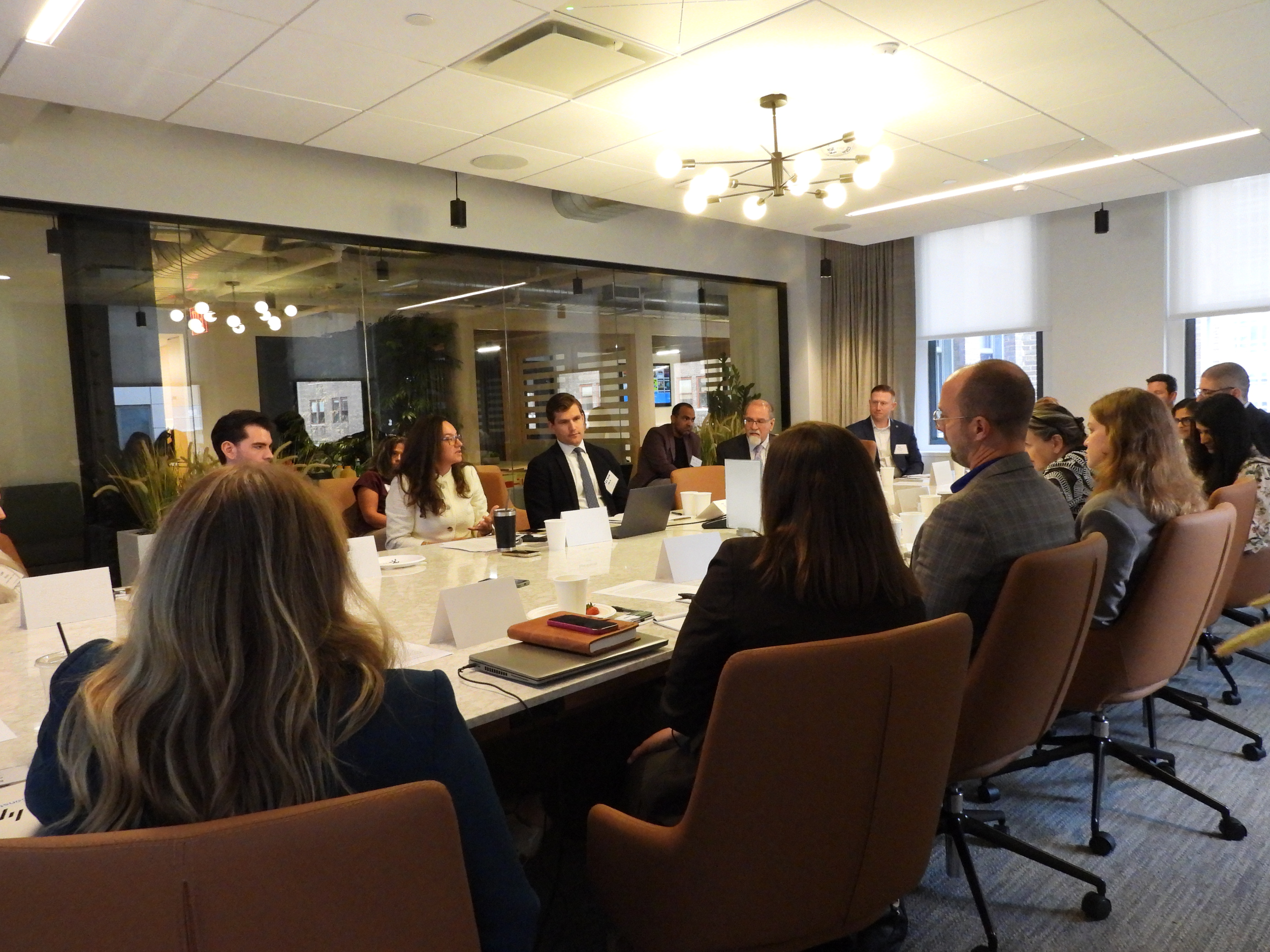
The roundtable brought together senior leaders from nuclear, workforce and industry, government, engineering, research, and philanthropy. Together, we explored the current nuclear workforce landscape, how to build talent to meet projected growth, and which near-term actions could accelerate progress. High level takeaways are below.
1. With long lead times, nuclear projects are losing workers to faster-moving developments. Sequencing and aggregating work across plants and developers could help create a more continuous pipeline of work and retain talent.
2. Headcounts are hard to pin down with workers moving between sites, productivity improvements, and AI changing the nature of nuclear work. We need a shared roadmap to understand these dynamics and chart a pathway forward.
3. Nuclear is struggling to attract and retain women and younger workers. Employers should look at more flexible shift schedules, childcare options, and workplace culture to help make nuclear jobs more attractive and avoid missing out on talent.
4. New entrants face an onerous amount of training that relies more on memorization than modern, interactive methods. Modernizing training and reaching students earlier would help nuclear recruit more people and train them faster.
5. Unlocking existing talent is another important lever. Broadening qualification pathways to non-nuclear suppliers, adjacent trades, and international talent would help the workforce scale more quickly.
The Road to Catalyze series is intended to help identify gaps and priorities for the CATALYZE 2027 program while building a community of practice that can share learnings and connect parallel efforts. Each roundtable is co-located at a major existing convening and targets a curated audience on specific topics. Keep an eye on the CATALYZE website for opportunities to engage, and if you are interested in getting involved with the CATALYZE community reach out to jake@constructive.org.
Energy After Fire dinner
Our second Energy After Fire gathering explored what kind of narrative and coalition could succeed in helping electrotech break through. We invited climate, energy, philanthropy, and tech leaders to discuss over dinner.

With our CEO Susan Kish guiding the discussion, our co-organizers Ann Mettler from Catalyse Europe, Daan Walter from Ember, and Harry Krejsa from the Carnegie Mellon Institute for Strategy and Technology (CMIST) laid out their latest insights and leading questions:
Electricity is the operating system of the modern economy, and China is mastering it like no other country. Europe and the US have been slow to electrify and build strongholds in the supply chain. With governments overwhelmed, what can we do to connect the dots between digitalisation, reindustrialisation, and electrification?
Electrotech and infotech are deeply intertwined, each driving the other forward. A country cannot lead in electrotech without leading in AI, and it cannot lead in AI without electrotech to power it and bring it into the physical world. How can we make the most of this overlap while managing the risks inherent in the electrotech-infotech revolution?
The electrotech stack is now a matter of national security. Ukraine has shown what cheap, modular batteries, motors and chips can do on the battlefield. And, a distributed, flexible, electrified grid is more defensible and resilient than one built on fossil fuels. The defense world now has as much reason to back electrotech as environmentalists do. A broad, durable coalition is what electrotech needs to win. Are we willing to work with people who want electrotech to succeed but care little for climate?
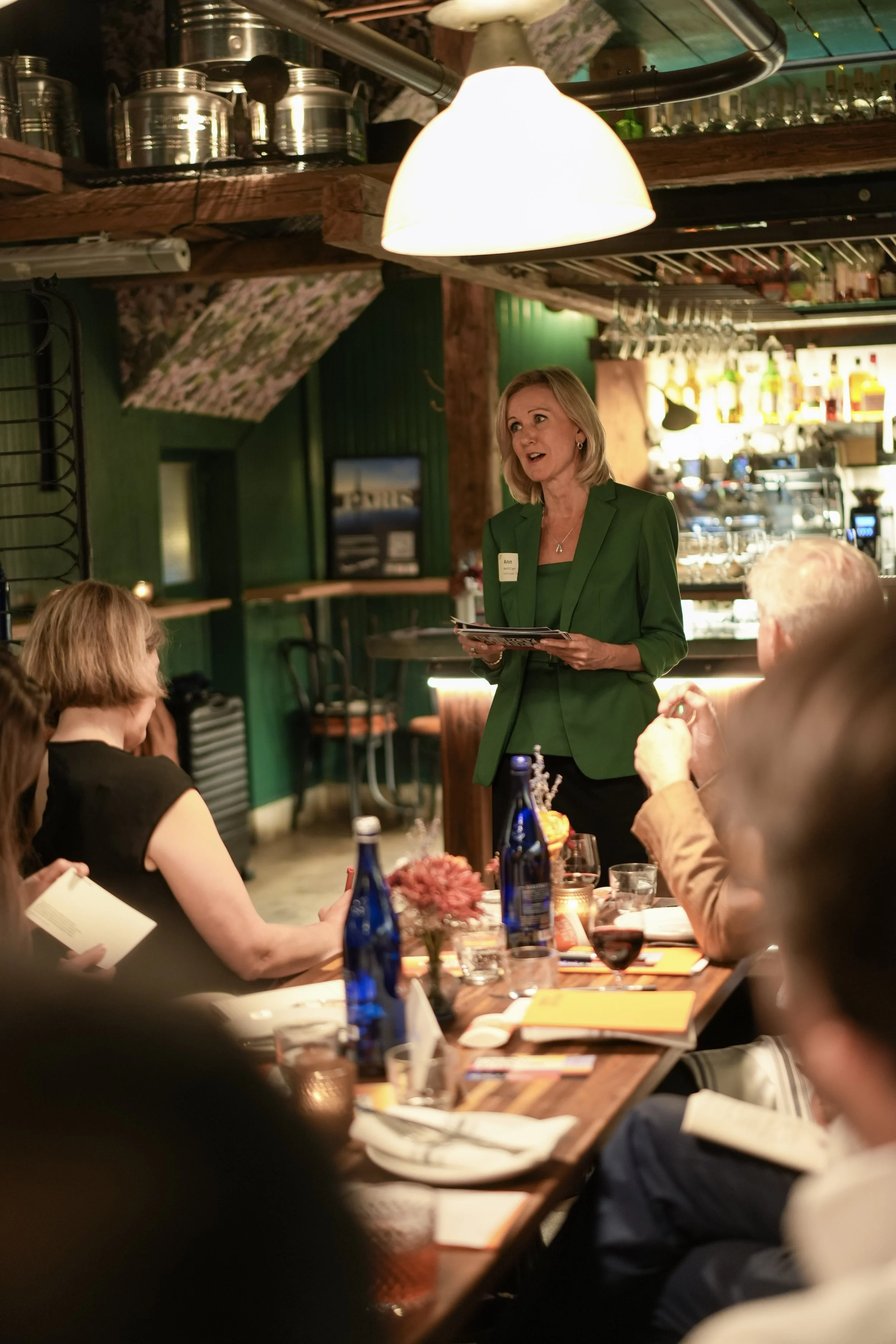
Ann Mettler from Catalyse Europe sets the scene for the discussion
Participants agreed that the case for electrotech is stronger than ever as the world becomes more contested. Our goal with Energy After Fire is to sharpen this narrative and drive the cross-sector partnerships that will realize the opportunity and promise of electrotech.
We are looking for partners to help take Energy After Fire to its next stage, from Europe to Asia. If you are interested in joining the coalition, get in touch.
Load flexibility roundtable with Currence
Making grid demand more flexible could help connect data centers and other large loads to the grid much faster. But flexibility is still being delivered in megawatts when the grid needs gigawatts.
Constructive helped deliver a Load Flexibility Roundtable with Currence, Foley Hoag, and the DER Task Force, bringing together over 50 leaders from utilities, government, investors, legal and advisory firms, and flexibility providers.
The group set out three building blocks for scaling flexibility:
Get precise about where capacity lives. The value of a megawatt of flexibility depends on where it sits on the grid. In the near term, the distribution network is where solutions can deploy fastest, but utilities need much better visibility of their networks to make use of it.
Scaling flexibility is a regulatory design problem. Large loads that bring their own capacity, add storage, or accept curtailment are increasingly able to connect sooner. With open proceedings in 13 states and grid operators rewriting their rules, the next six months are a key window to build flexibility in from the start.
Large loads can become flexibility’s biggest buyer. Data centers could push flexibility to gigawatt scale, but only if programs can verify that the capacity they enroll actually shows up when the grid needs it.
Participants agreed that the first priority is large load tariffs, which would give large loads faster connections through utility flexibility programs.
We’ll be back in New York on November 4–5 for DERVOS, picking up these threads on electrotech, distributed energy, and flexibility and continuing to accelerate solutions. Find out more and get your tickets here.