August Newsletter
Welcome to our August newsletter! Estimated 5m read
Dear friends and colleagues,
July 30 marked one year since we officially launched Constructive with the goal of filling the other “missing middle” we were seeing in energy and climate – not mid-stage investment, but the need for better alignment and collaboration.
It's been a big, busy year, standing up programs like theMountain West Geothermal Consortium andEnergy After Fire alongside our brilliant partners, co-organizing impactful events like theWRI Polsky Energy Summit andDERVOS, growing as a team, and engaging thousands of leaders across the US and Europe to solve some of the toughest challenges in energy and climate.
It’s also been a year of countless little things: innumerable index notes, armfuls of lanyards, weekly calls across 4 time zones, broken slide decks, group coffee orders, the occasional late night print shop run, and many happy shared moments. The little things that add up to making big changes happen.
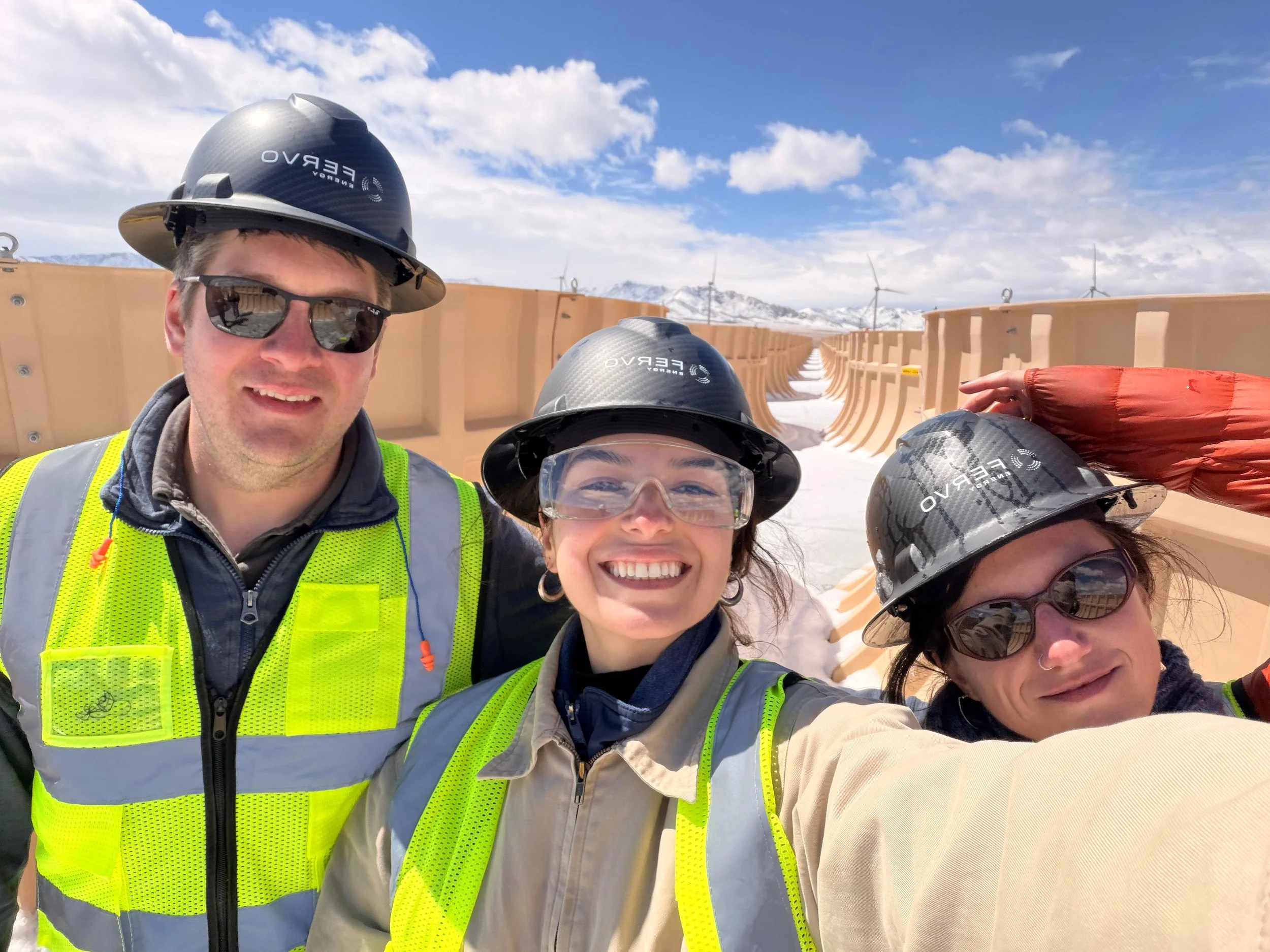

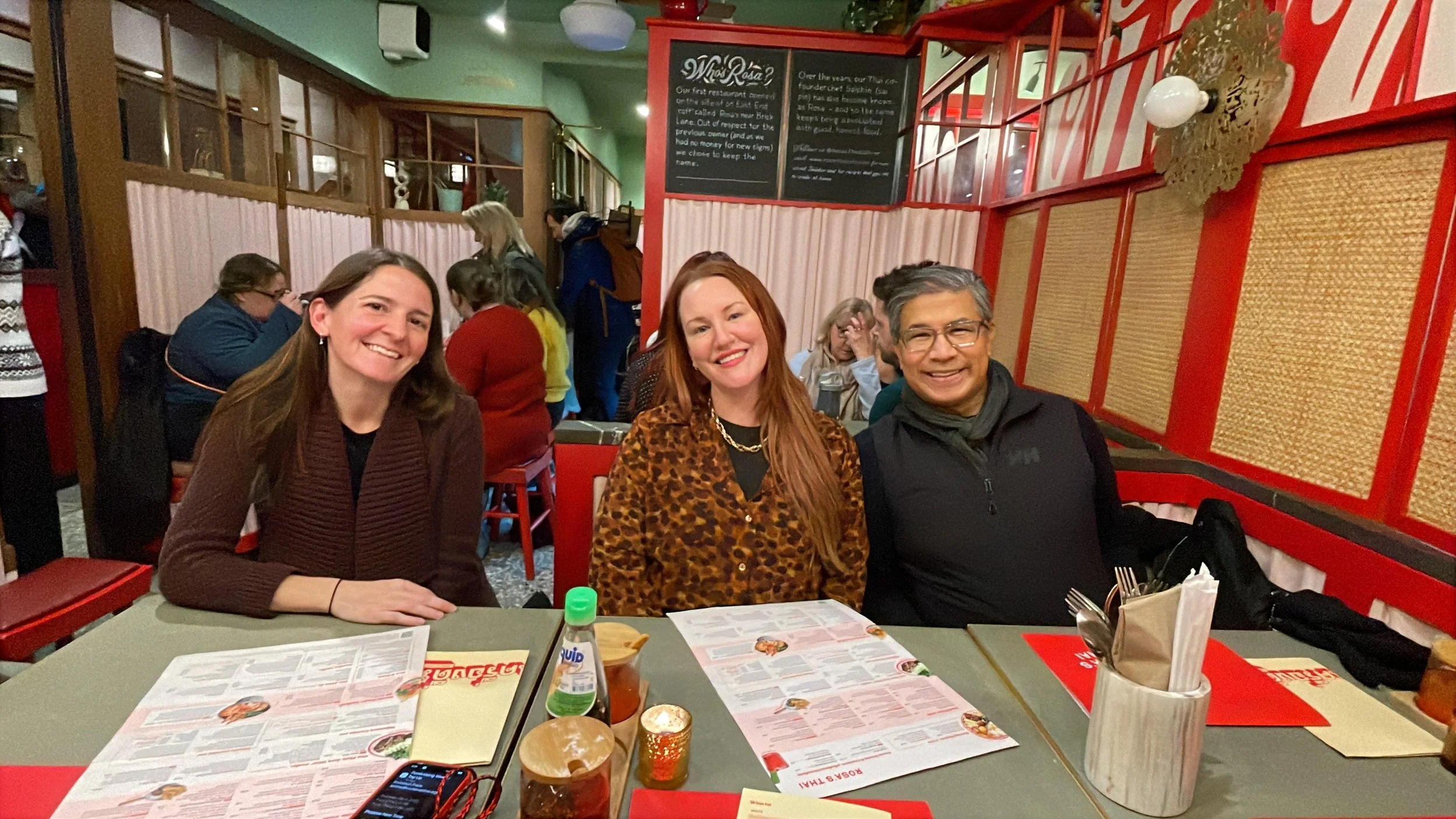
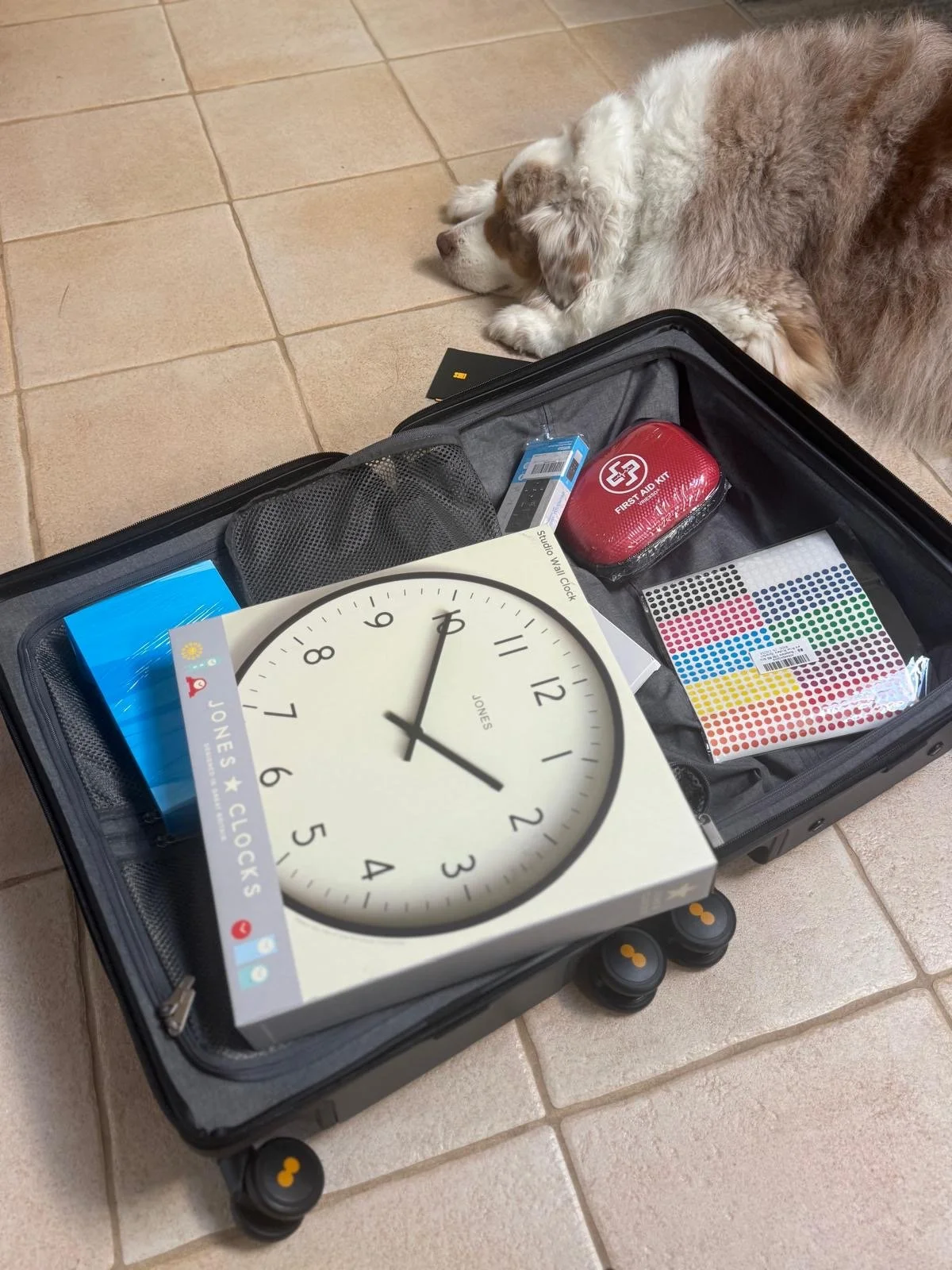
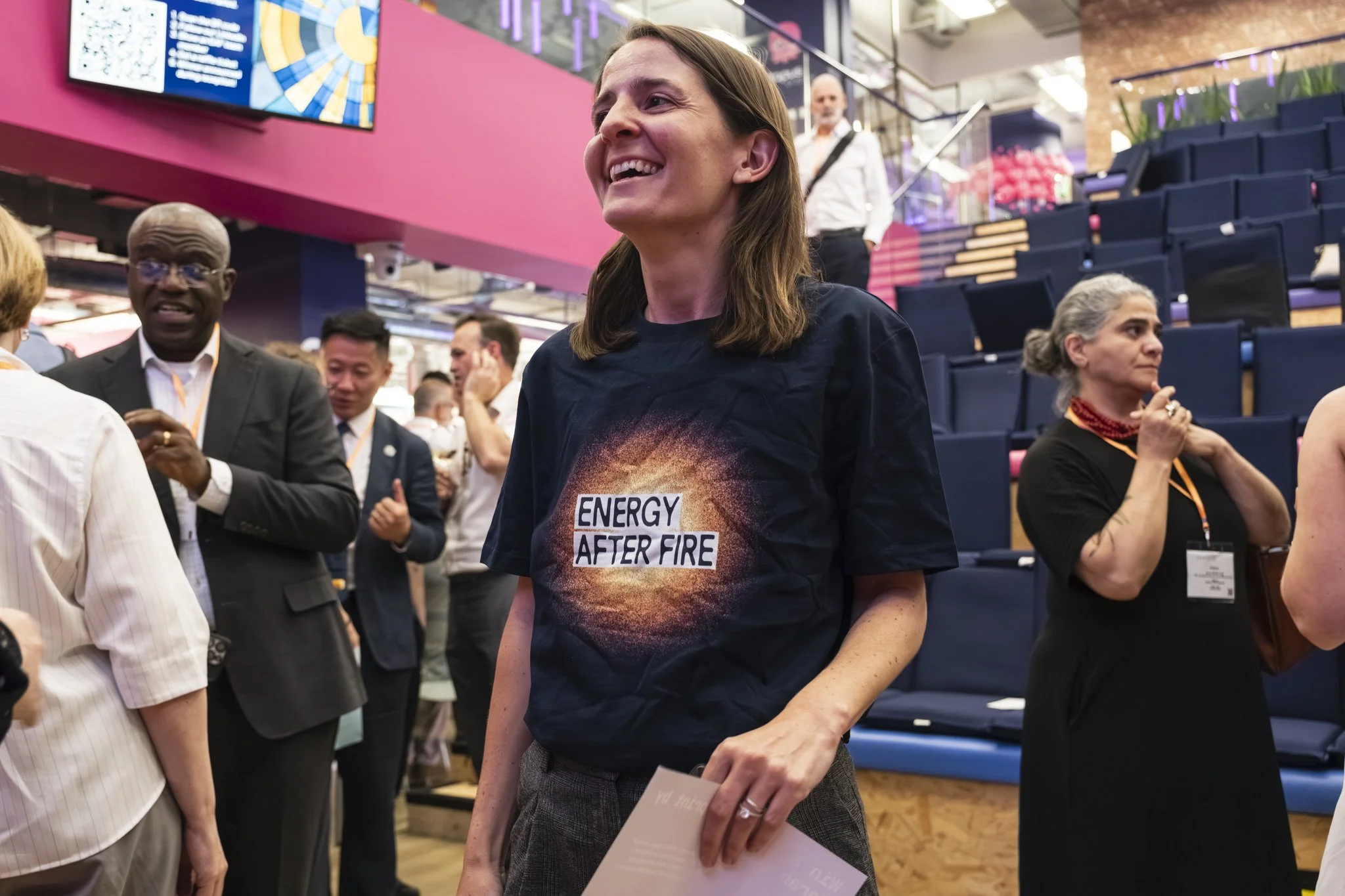

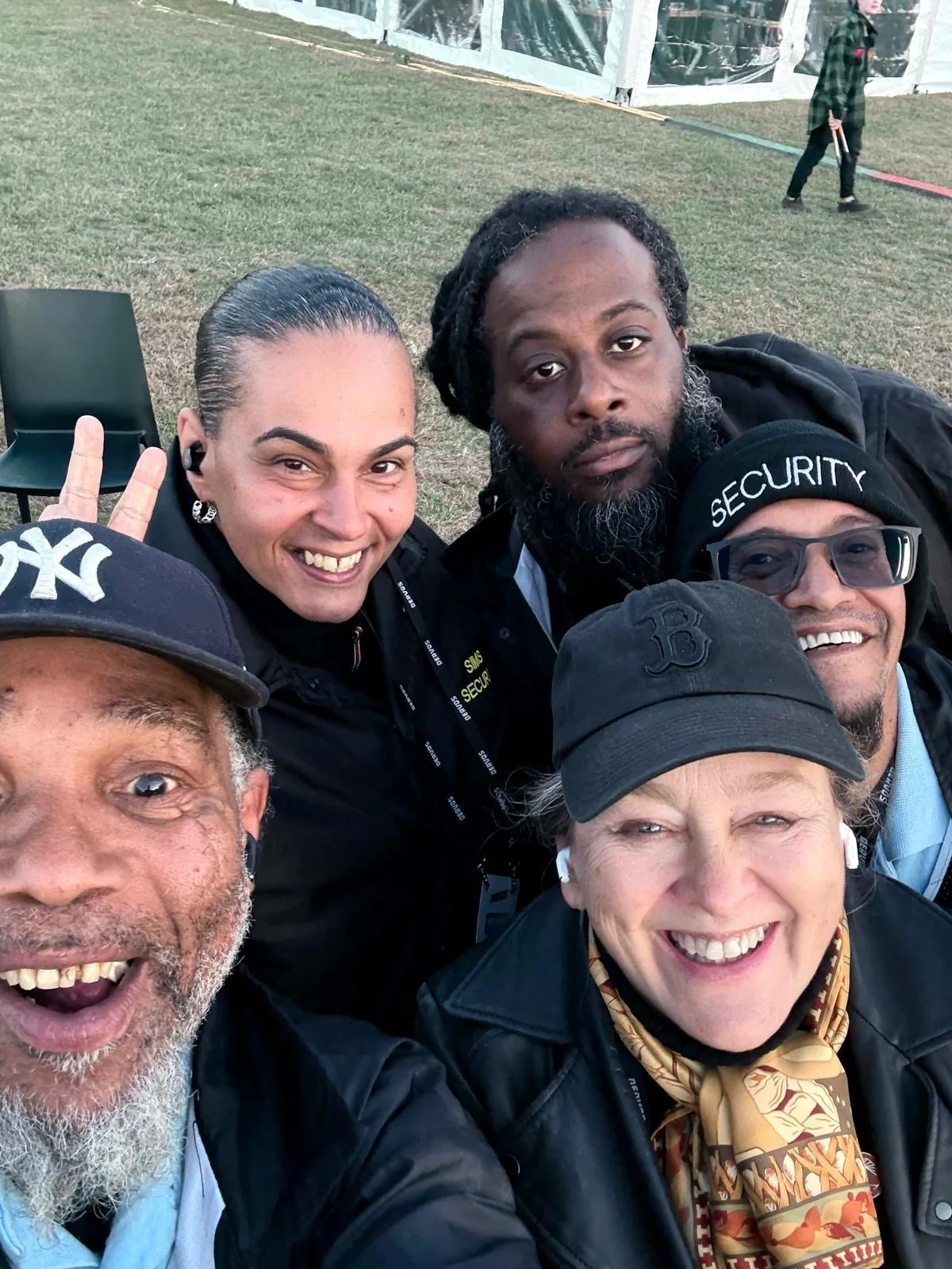
Above, some moments from our first year. You can see our more official event photography here
As the ongoing record-breaking heatwaves and devastating wildfires happening around the world demonstrate, those big changes we’re trying to advance could not be more urgent. And if there’s one thing that’s gotten even clearer over the course of our first year, it’s that we need to rapidly adapt to global warming as well as try to mitigate it.
As such, we were very pleased to partner with the Resiliency Company to deliver a new summit last month as part of the Resilient America program – one that zeroed in on what cities, counties and states can actually do to finance and scale climate resilience solutions. Find the key takeaways below, and stay tuned for much more to come.
Onward!
Susan Kish, CEO
Hiring call & new research: why hasn’t capital caught up with next-gen geothermal?
Misunderstood and Manageable, a new paper from the Mountain West Geothermal Consortium, examines the disconnect between technological advances and how investors perceive and price risk in next-gen geothermal – and how smart policy design can close the gap.
Early geothermal projects faced a binary risk profile - whether or not the proposed site provided access to geothermal heat.
In contrast, next-gen geothermal projects face non-binary uncertainty: being able to access heat is now a near given, but to what degree can that heat be extracted in an economically viable way?
This means next-gen geothermal investments are closer in risk profile to unconventional oil and gas, or even wind and solar projects, than to conventional geothermal.
The fundraising challenges facing geothermal developers across the US demonstrate that capital markets have unfortunately not yet adopted this non-binary risk framework – a gap that is preventing the next-gen geothermal industry from scaling.
The paper proposes a structure to help investors and policymakers shift their risk frameworks and provides examples of targeted public/private capital solutions that can help accelerate that shift. The paper was developed with input from our launch event earlier this year.
Next-gen geothermal offers one of the fastest pathways to meeting demand growth if we solve this problem. Previous Consortium research found that 100MW projects could achieve commercial operation in as few as 3 years thanks to existing supply chains and workforce, combined with rapidly-improving permitting timelines on federal land.
The Consortium is hiring a Senior Advisor to lead our utility engagement and offtake workstream. Find the job description and how to apply here. And as always we encourage you to get in touch if you would like to be involved in the Consortium in some other capacity.
Takeaways from the inaugural Resilient America Summit
How do we move resilience from a recognized need to real infrastructure we can finance and deliver at scale? Constructive partnered with The Resiliency Company to deliver the inaugural Resilient America Summit to answer this question.
Over 100 attendees, including leaders from over 30 public jurisdictions, explored how public finance tools such as budget reserves, municipal bonds, revolving loan funds, and parametric insurance programs can help finance resilience efforts to address wildfires, floods, storms, and other hazards.
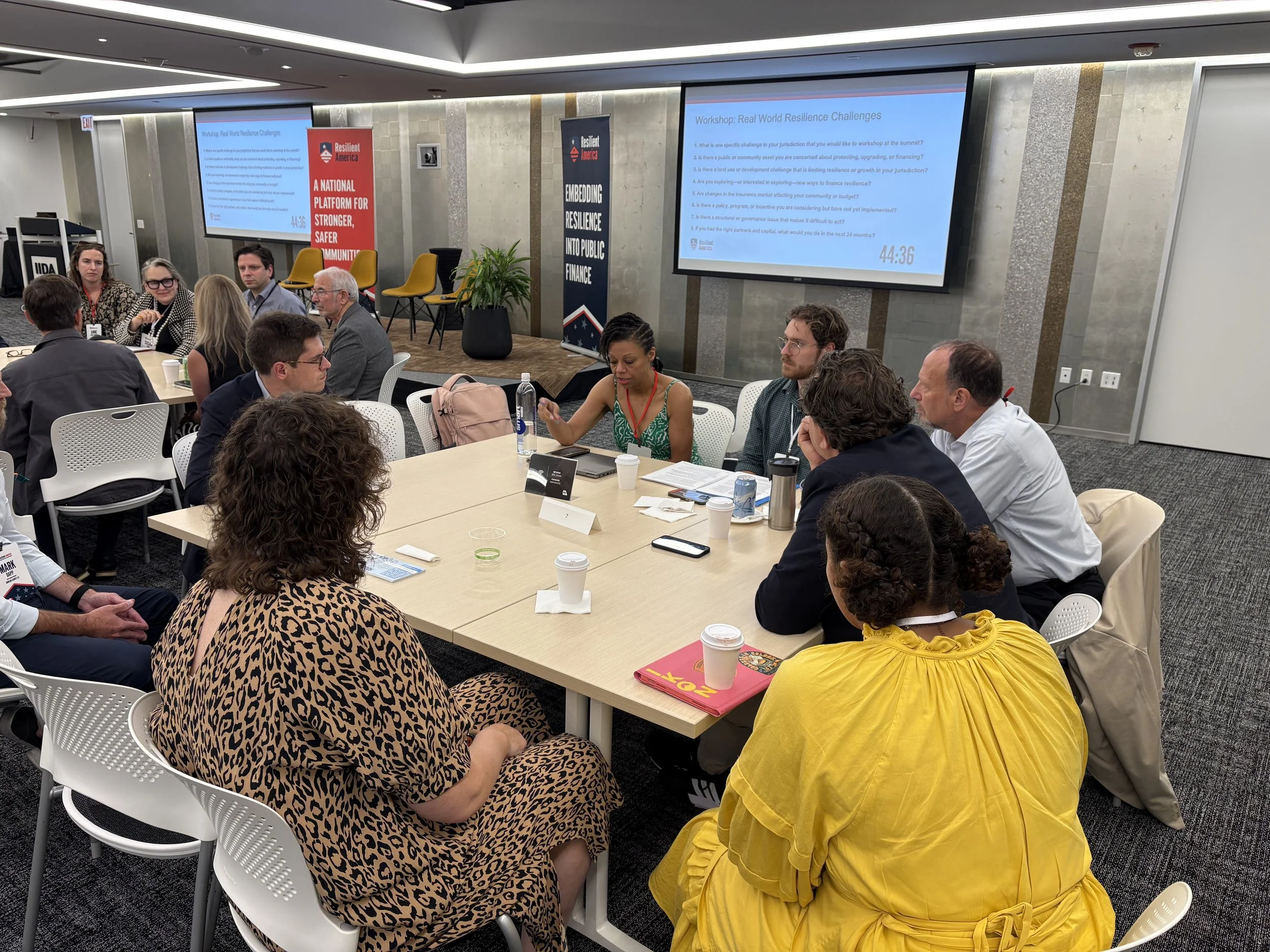
Success stories – and challenges – shared by local governments, utilities, and companies highlighted the need for better translation between public finance and resilience professionals, and demonstrated why municipal reserves are better thought of as an insurance policy rather than a savings account.
We also learned about useful tools that can be deployed today to help with decision-making and case-making. One example is Resilient America's new RiskReserve Tool, which helps communities quantify potential financial losses from climate and economic shocks through the lens of the municipal budget, allowing them to make more informed fiscal decisions.
Nearly every attendee left with a list of introductions to make, tools to demo, and calls to set up – an exciting launchpad for this new community focused on scaling resilience through public finance.
You can read the summit takeaways here – and The Resiliency Company’s CEO Abby Ross also published a great recap here.
DERVOS 2026 updates
We have three important updates on DERVOS — please read if you have a ticket or are planning to get one:
1. The Main Day of DERVOS 2026 will now be held on November 5th at Duggal Greenhouse in the Brooklyn Navy Yard. This means Leadership Day will be on November 4th. This was a decision made by the DER Task Force to address capacity concerns with the original venue. We are looking forward to making this a great event and hope you will join us there!
If you’ve already purchased tickets, they will be automatically rolled over to this new date. If the new date doesn’t work for you, you will receive a full refund. We apologize for any inconvenience caused by the change of plans — get in touch with nicole@dertaskforce.com if you have any concerns or questions.
2. This year’s theme has been announced: “Everything is DER”!
In the words of DERTF, “Five years ago, distributed energy was still treated like a sideshow to the “real” power system. Today, it increasingly is the only viable solution to the myriad woes facing the power system… The center of gravity is shifting”
More details on speakers and program are coming soon — stay tuned and make sure you are following the DER Task Force substack.
3.The 2026 DERVOS Community Survey is now open! If you work in the distributed energy space, this is your chance to show some soliDERity and share your view on the risks and accelerants shaping the industry, where we should focus to strengthen our advocacy, and what you want to learn from your peers at DERVOS Main Day.
Your responses will directly shape the second-ever State of DERs report, help set the agenda for DERVOS 2027 programming, and identify gaps and opportunities across the community.

We’re pleased to welcome two Senior Advisors to the team, Lennart Joos and Hadia Sheerazi!
Hadia will be supporting our work with ASME to develop the programming for ASME CATALYZE, while Lennart is supporting our efforts with the UK to scale up commercial carbon management solutions (more on this to come next month).

Hadia (Linkedin) brings cross-sectoral expertise in leveraging systems thinking and stakeholder engagement to secure the social license for deploying critical energy infrastructure. She has led catalytic initiatives at the Mission Possible Partnership and Columbia Climate School.
Make it stand out
Lennart (Linkedin) brings deep expertise in corporate strategy, industrial systems, and climate technology to drive meaningful impact across the energy transition. He is a McKinsey alumn and start-up founder with a PhD in Chemical Engineering.

Constructive will be out in full force at Climate Week NYC next month. We’re hosting a few invite-only events including:
Monday Sept 21 - a workshop with Mission Possible Partnership to accelerate clean industrial development
Tuesday Sept 22 - a private Energy After Fire dinner on electrotech and AI with Catalyse Europe, Ember, and CMIST
Wednesday Sept 23 - a roundtable with ASME to explore nuclear workforce requirements and the role of standards in scaling clean technologies, a roundtable with Currence on load flexibility, and happy hour drinks with the Mountain West Geothermal Consortium
Our new Senior Advisor Hadia will also be moderating a panel titled “Energy Transition: Who Bears the Burden, Who Shapes the Solution?” with the Quebec Government and speaking on “How to decarbonize our cities and infrastructure this decade”.
If you’ll be in NYC and want to meet up, let us know by replying to this email!

How can we future-proof the critical mineral supply chains that are crucial to clean energy and industry? In our latest CATALYZE webinar in partnership with ASME and Engineering for Change, our US Program Director Jake Wellman moderated a great discussion with leaders from mining, finance, and policy to explore how to scale clean industrial supply chains while reducing risk and cost. Find takeaways and highlights from the webinar here.
Mike O’Connor weighed in on next-gen geothermal’s “superhot” moment in “An old-school geothermal giant rides the tech’s newfound popularity”
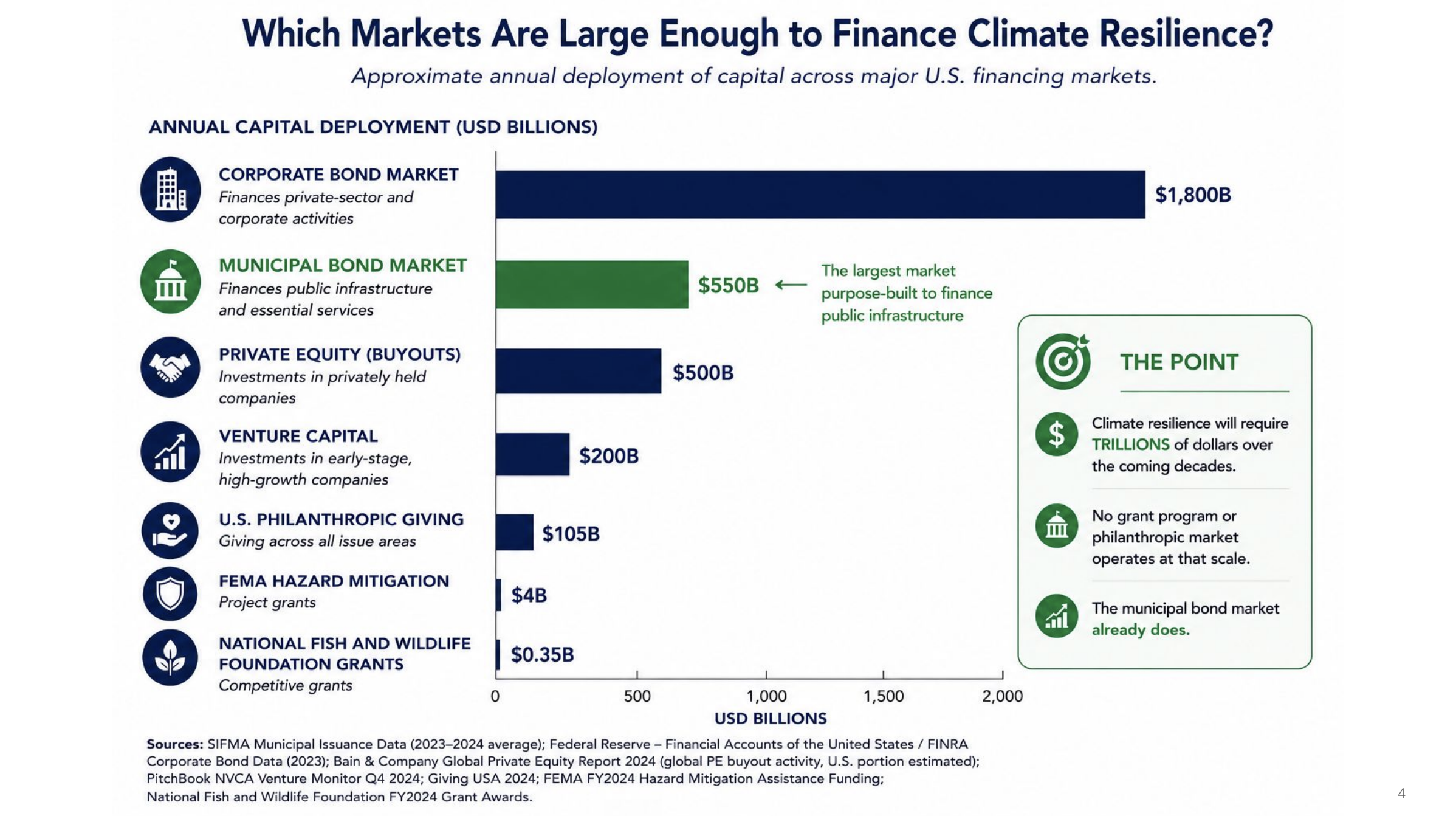
We have abundant data on climate risk that is not translating into public finance, according to the Resiliency Company’s Matt Posner at the Resilient America Summit last month. This is despite the fact we need to spend trillions of dollars over the coming decades to shore up resilience.
However, one market is already moving half a trillion dollars of capital into public infrastructure every year and could provide the backbone for resilience financing: the municipal bond market.
Matt called on the resilience ecosystem to engage with this market more and make the translation between physical and fiscal management.

Jake is enjoying this good news story about the IRA’s resilience. Despite the attacks and abrupt policy changes, the substantial majority of the IRA trajectory’s benefits remain in effect across the three dimensions of power sector decarbonization.
Rosie is delving into this new study that claims AI’s climate benefits will not outweigh the additional emissions it creates thanks to enabled fossil fuel emissions (a finding that contradicts what Jake read last month). However, Daan Walter from Ember pointed out that while the study does take some productivity improvements into account for electrotech, it doesn’t include AI-enabled acceleration in innovation, cost declines, and deployment of electrotech — which it does for oil and gas. TLDR: AI and climate continues to be a murky picture.
Lennart recently enjoyed Is a River Alive? by Robert Macfarlane: a poetic exploration of environmental personhood that asks what happens when we grant ecosystems legal rights.
Susan learned why some people are better at mowing lawns than others, and what it tells us about when we should think fast and slow.